The Science of Fog
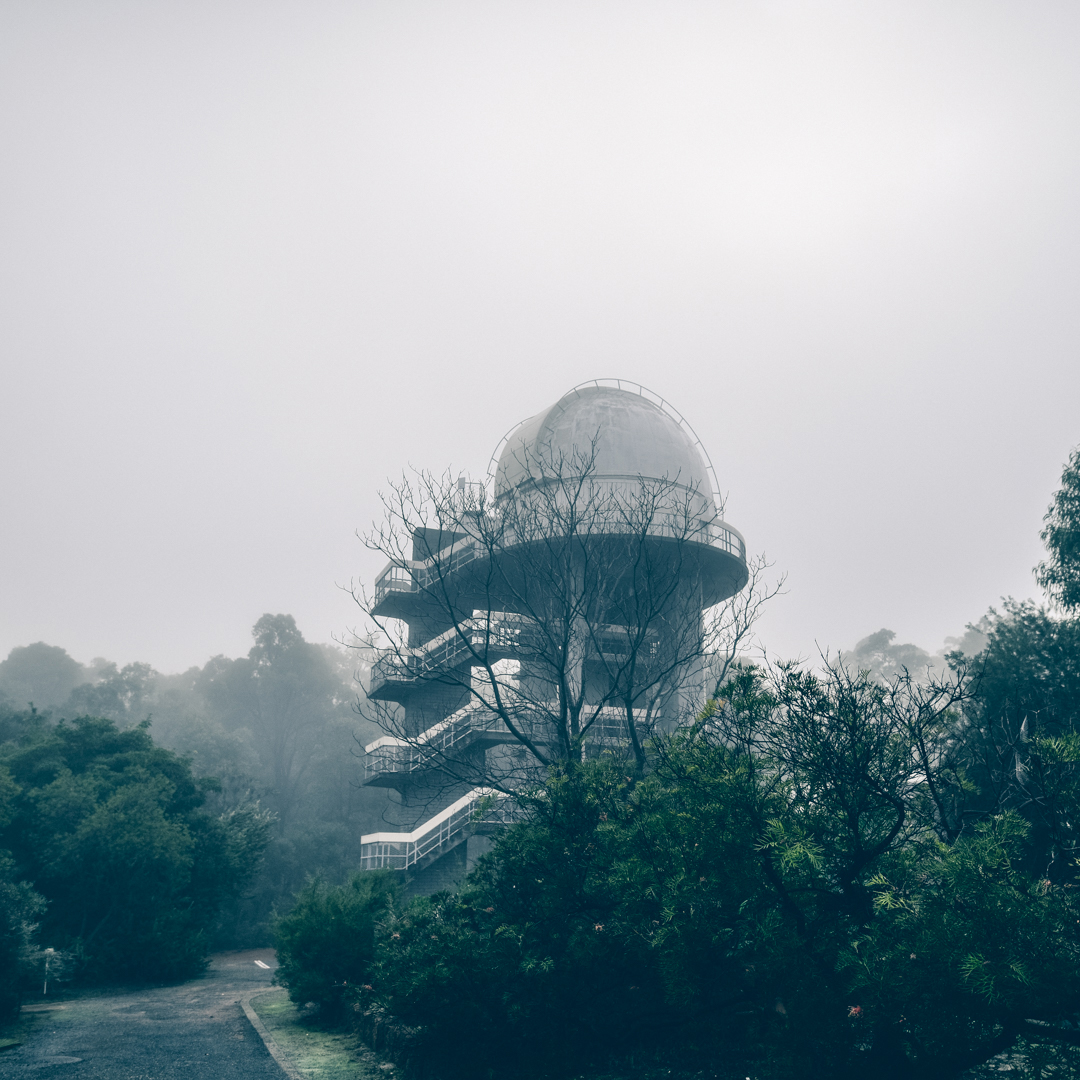
If it felt like you were walking or driving in a cloud this morning, you were!
Fog is one of the most familiar weather phenomena, yet also one of the most misunderstood. It can feel eerie, peaceful, or mildly inconvenient depending on whether you’re enjoying a coffee or trying to find the car in a car park. But behind that hazy curtain is some surprisingly elegant science.
At its core, fog is a cloud that couldn’t be bothered staying in the sky. It forms when tiny water droplets become suspended in the air, scattering light and reducing visibility. Each droplet is incredibly small, around 10 to 20 micrometres wide, but when millions of them gather together, they turn your morning into a soft-focus filter.
Meteorologists officially call it fog when visibility drops below one kilometre. If you can see a bit further than that, it’s called mist, which is essentially fog being polite. Fog forms when air cools to its dew point, the moment it can no longer hold all its water vapour and decides to make it everyone’s problem.
To make fog, you need three simple ingredients:
- Moisture in the air
- Cooling temperatures
- Calm or light winds
Get that combination right, and the atmosphere quietly transforms invisible water into something you can walk through. There are a few common types:
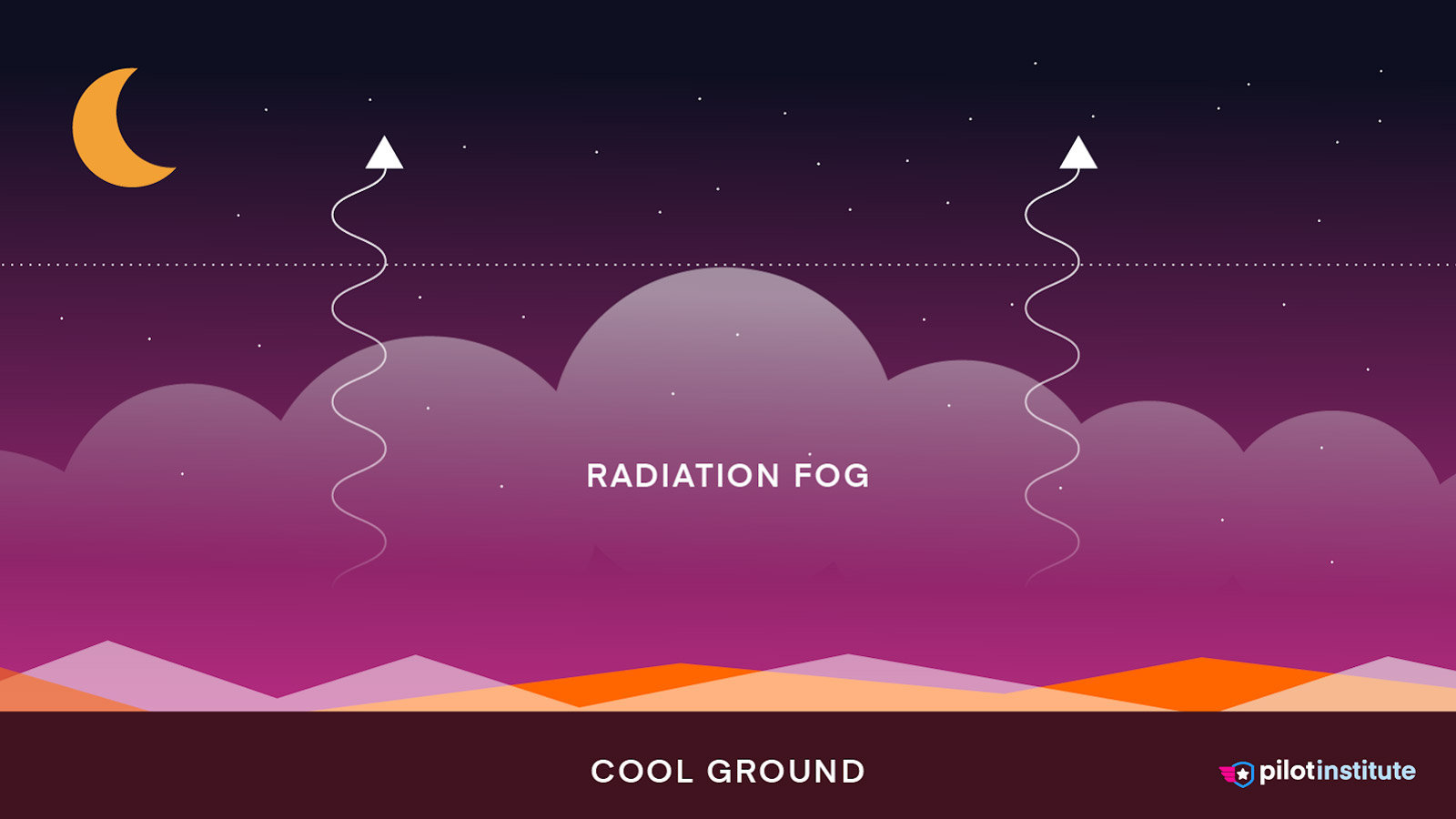
- Radiation fog forms overnight as the ground cools, chilling the air above it. It’s particularly fond of valleys and rural areas, where it settles in like it owns the place.
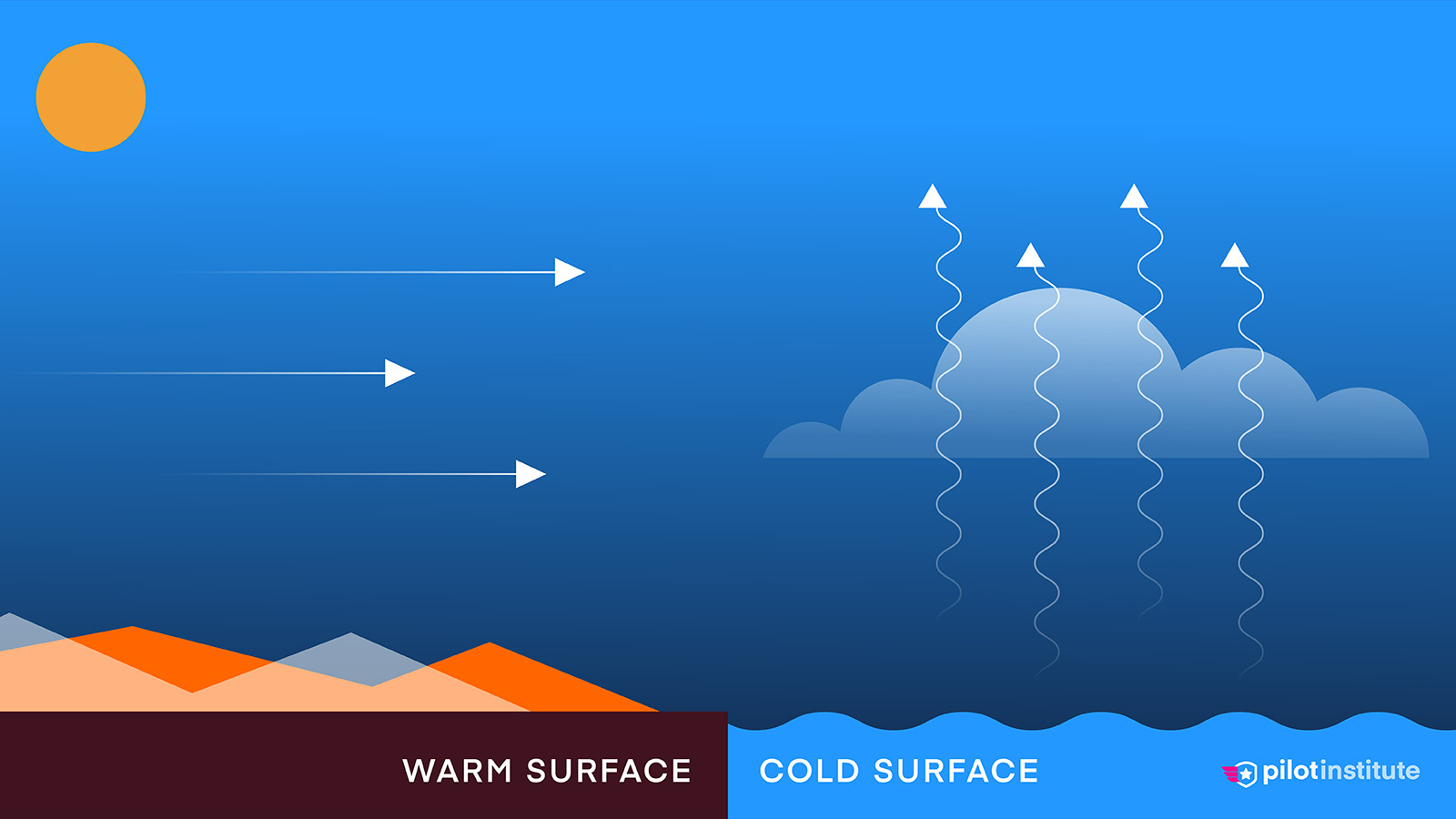
- Advection fog occurs when warm, moist air drifts over a cooler surface, like the ocean. This is the kind that rolls dramatically along coastlines and makes everything look cinematic.
- Valley fog occurs when cold air sinks into low-lying areas and traps moisture, creating what is essentially a lake of cloud.
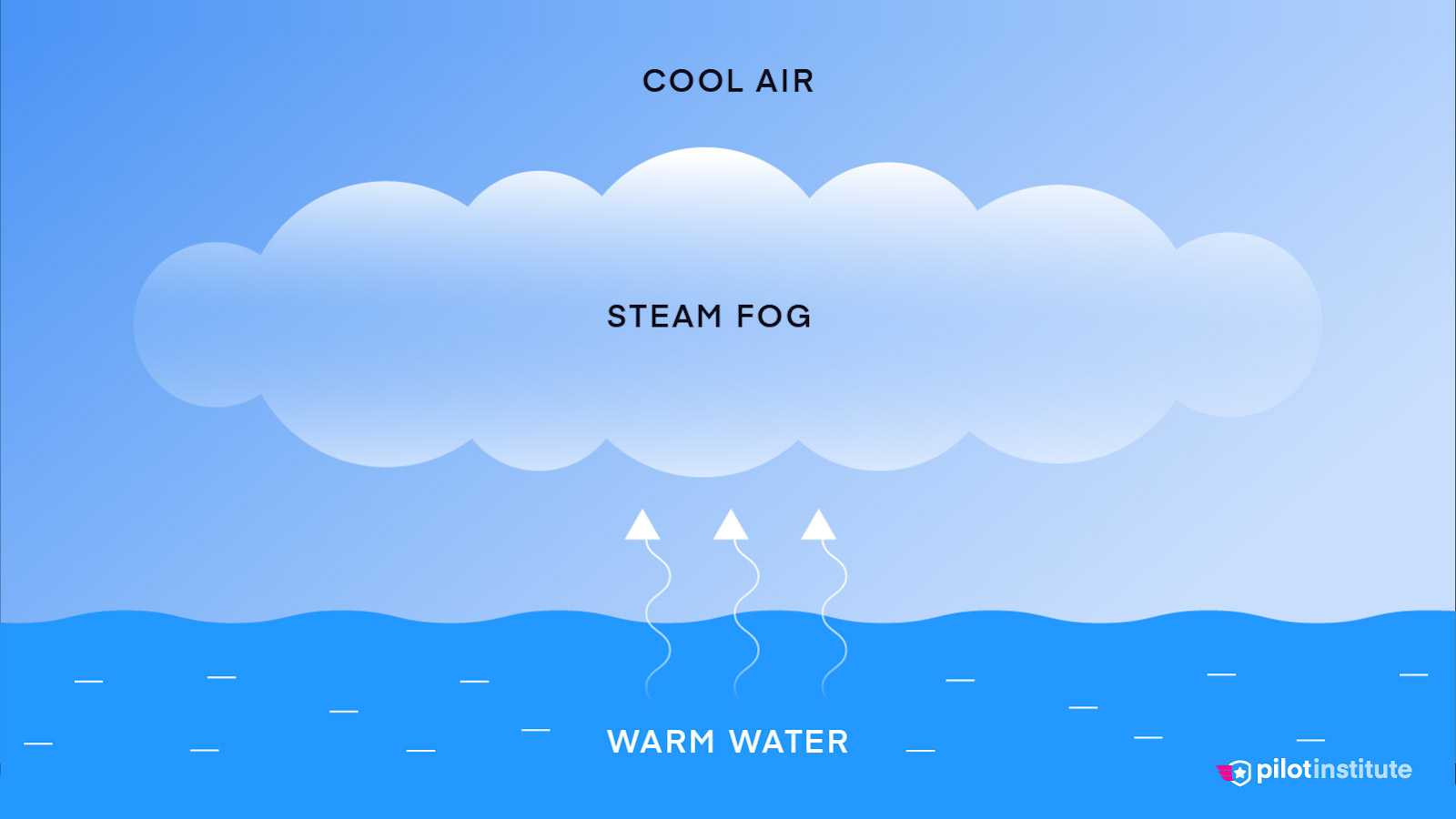
- Evaporation fog, or steam fog, appears when cold air moves over warmer water. It looks like the Earth has just made itself a hot cup of tea.
|
|

|
|
Fog has a reputation for muting the world, but it’s not actually the droplets doing the heavy lifting. Instead, it’s the conditions that create fog that affect sound. Fog often forms alongside temperature inversions, where cooler air sits near the ground, and warmer air sits above it. This setup can bend sound waves back down toward the surface, letting them travel further. At the same time, humid air absorbs less sound than dry air, which means noise can carry more easily.
The result is a strange mix where some sounds seem quieter, while others seem louder or closer than they should be, and because you can’t see where the sound is coming from, your brain fills in the blanks, often with unnecessary drama.
Fog has left its mark on science, culture, and the occasional slightly confused morning commute. It can create a rare optical effect called a fogbow, a ghostly white version of a rainbow that looks like it forgot to load properly.

|
|
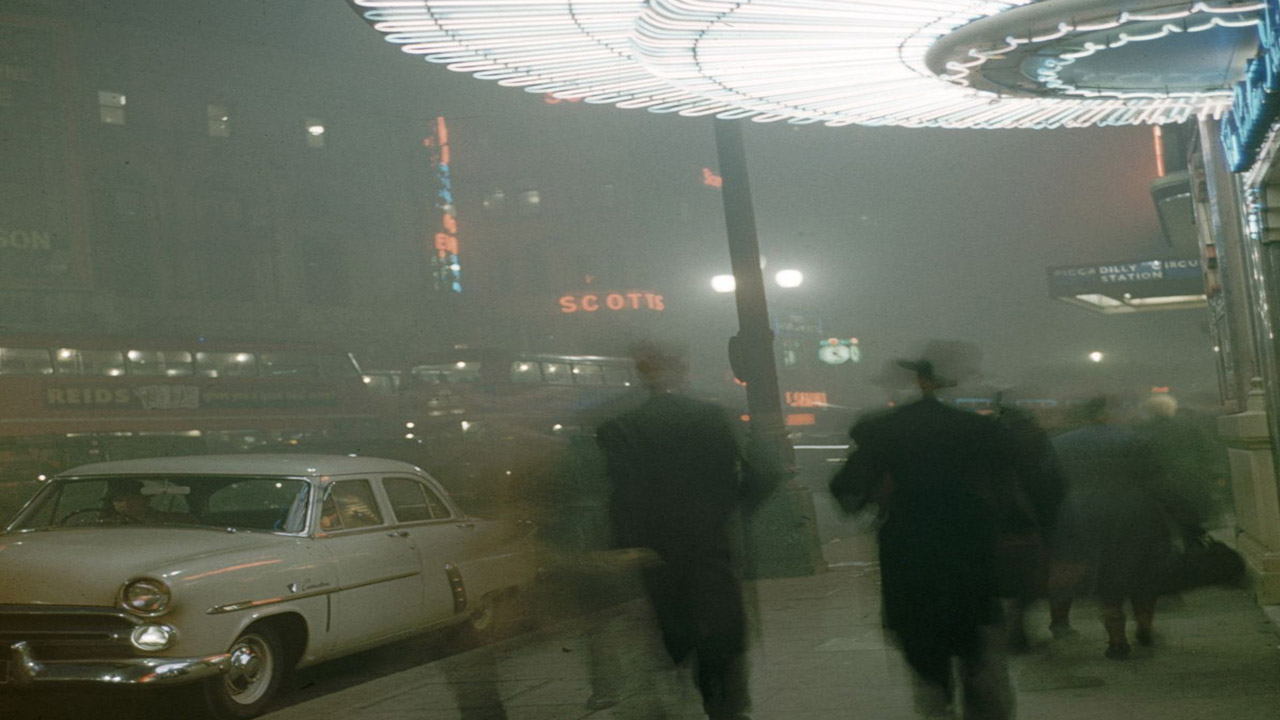
Some of the world’s most famous fog rolls through San Francisco, where it has become such a local icon that it even has a nickname, “Karl!” Meanwhile, the phrase “pea soup fog” comes from historic smog events in London, which were less “mysterious atmosphere” and more “industrial revolution gone a bit too far”. Fog also plays a surprisingly helpful role in nature, providing moisture to plants in dry environments.
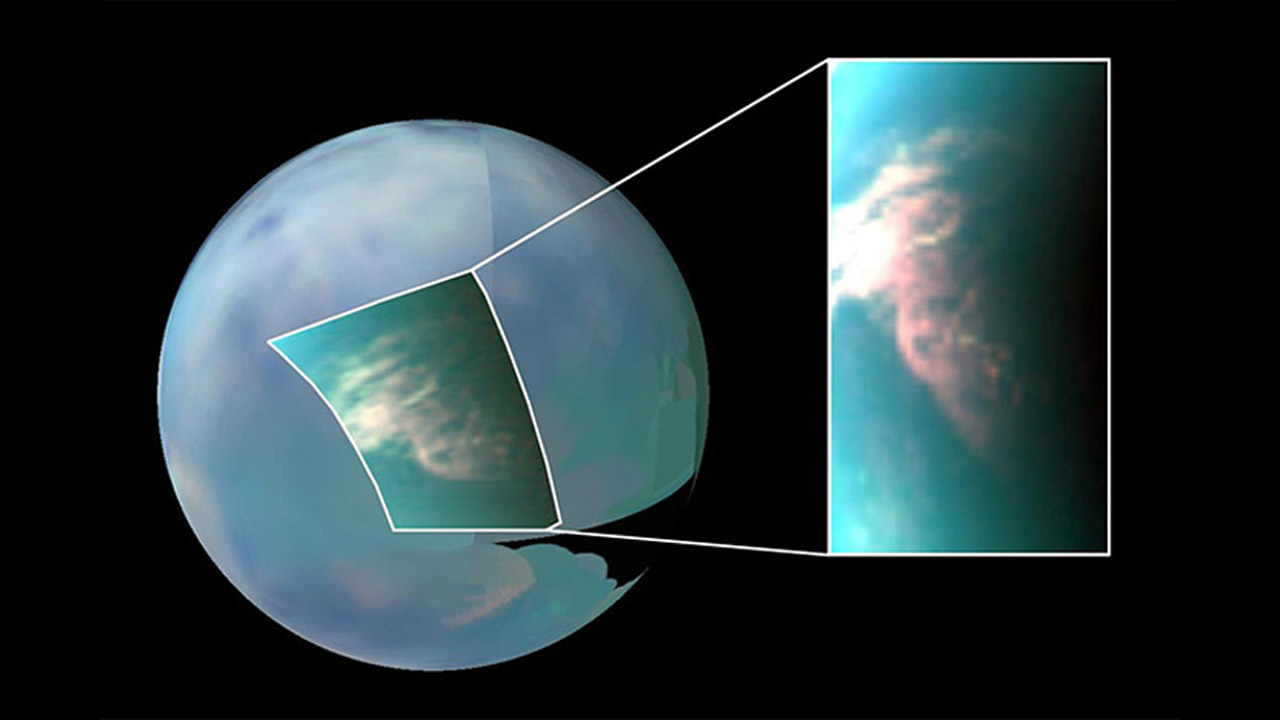
Fog isn’t just an Earthly inconvenience. It’s a Solar System-wide phenomenon with some truly strange variations. On Saturn’s moon Titan, fog forms from methane instead of water. It gathers around lakes of liquid hydrocarbons at around minus 180 degrees Celsius. So yes, it’s fog… but it smells more like fuel than fresh rain.
On Mars, thin fogs made of water ice can form in the early morning. They’re delicate, faint, and a bit underwhelming, like fog that didn’t quite commit.
Then there’s Venus, which takes things to an extreme. Its atmosphere is filled with thick haze made of sulfuric acid droplets. It’s essentially fog turned up to eleven, with temperatures hot enough to melt lead. Not ideal for a morning walk.
Hope that was interesting for you. Next time you step into a foggy morning, take a second to enjoy it.